
B2B Sourcing Guide
Vacuum Garment Steamer Manufacturer: B2B Sourcing Guide
How buyers should evaluate steam, suction, water handling, safety, testing and OEM capability when sourcing vacuum garment steamers.
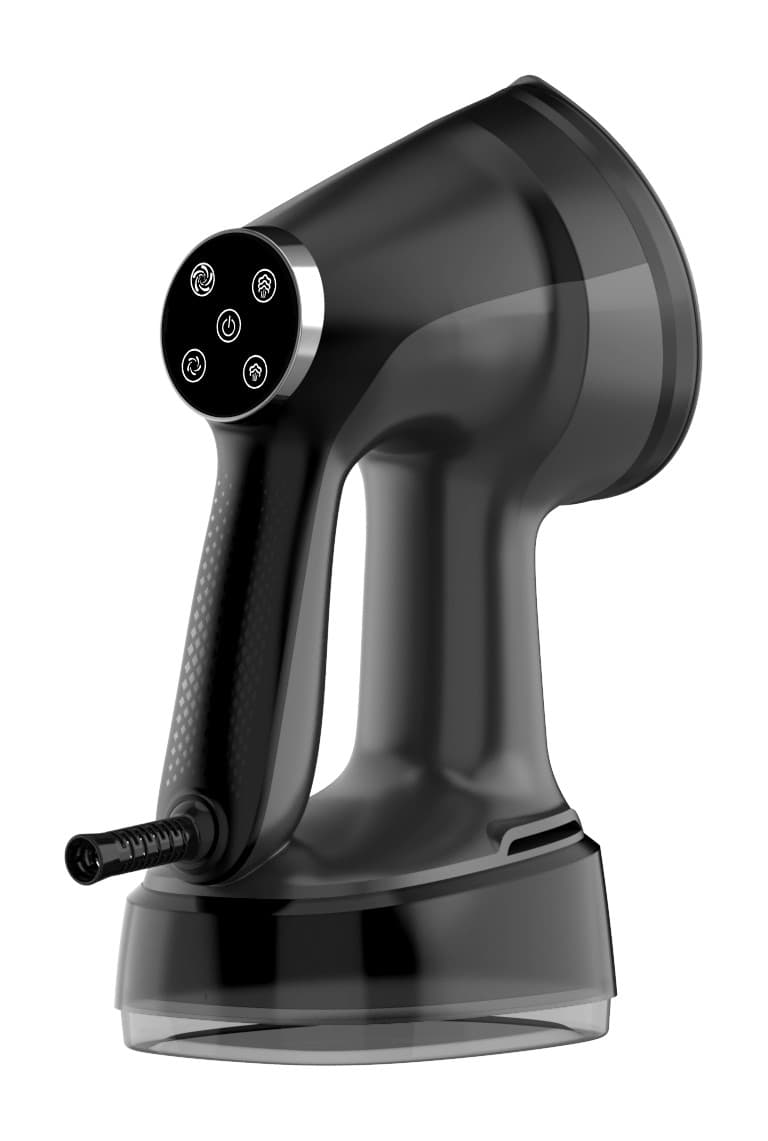
Suction-assisted garment care can be useful, but the right buying decision depends on the exact steam, suction, water-handling and safety configuration. Use this guide to evaluate a vacuum garment steamer supplier with the same discipline you would apply to any OEM appliance program.
Vacuum Garment Steamer Evaluation Checklist
| What to check | Buyer question |
|---|---|
| Steam output | Is heating and steam behavior consistent for the intended fabric-care use? |
| Vacuum / suction performance | What does suction do, how is it controlled, and how should it be tested? |
| Water tank | How is the tank filled, handled, emptied and protected against leakage? |
| Soleplate / ironing head | Is the contact surface suitable for the selected model and user workflow? |
| Safety features | Which controls, shut-off behavior, markings and documents apply? |
| Voltage | Does the selected electrical configuration match the destination market? |
| Target market | Does the product fit retail, hospitality, professional or private-label positioning? |
| Sample testing | Can the exact model and configuration be tested before production? |
| OEM options | Which logo, color, packaging and model-specific options are available? |
| Compliance | Which CE, RoHS, CB, ETL or FCC scope applies to this configuration? |
| MOQ and lead time | Do the typical 500–1,000 pcs MOQ and 30–45-day production window fit the plan? |
1. What is a vacuum garment steamer?
A vacuum garment steamer combines garment steaming or ironing with suction that helps hold fabric in position. The exact product architecture varies: some models combine dry, steam and vacuum functions, while others focus on vacuum-assisted steam ironing. For a buyer, the important question is not only whether a product uses the word vacuum, but what the suction does, how it is controlled and which fabrics and use cases the model is designed to support.
A vacuum garment steamer may suit appliance brands, hospitality programs, garment-care retailers and professional users who want a more controlled fabric-handling experience. Evaluate the actual model and its documented functions rather than assuming every product in the category has the same system.
2. Compare steam and suction functionality
Review steam modes, heat-up behavior, dry and steam functions, suction control and the way garments are held against the ironing surface. Ask how the user switches between modes and whether the suction is continuous or adjustable. Also check the relationship between steam, water handling and the soleplate or ironing head.
XINGYUE's documented vacuum range includes 9002, 9003, 9004 and 9005. The 9003 and 9004 pages describe dry, steam and vacuum functions; individual product pages should remain the source for model-level specifications and features.
3. Check water tank, safety and usability
Water-tank design affects refilling, handling and user acceptance. Ask whether the tank is detachable, how it is filled, whether water leakage is controlled and how the product should be stored. Review auto shut-off, control interfaces, cable and plug, operating instructions and any safety marking relevant to the target market.
A sample evaluation should cover the full user path: filling, heating, steaming, suction, switching modes, moving fabric and emptying or storing the product. A technically interesting function is valuable only when the buyer can explain it clearly to the end customer.
4. Product testing and supplier evaluation
Ask the vacuum steamer manufacturer how model performance is checked before shipment. Useful questions include how heating and steam are tested, how suction operation is checked, how water leakage is inspected, how controls are verified and how cosmetic or packaging defects are recorded.
Request a sample of the exact configuration you plan to buy. Compare the sample with the product specification, artwork, plug and packaging. Record changes before production, and agree on the inspection reference so quality expectations are not left to interpretation.
5. OEM, ODM and private-label options
A private-label vacuum garment steamer program may involve logo, color, packaging, manuals and market-specific labeling. An ODM discussion may also consider the product configuration or feature combination, subject to technical feasibility. Ask which options are available for the selected model and which require a separate engineering or sampling review.
XINGYUE supports OEM / ODM discussions for its vacuum garment steamer range, including logo, color, packaging, plug configuration and multilingual manuals for selected products. The final scope should be confirmed before a quote and sample approval.
6. MOQ, lead time and compliance
XINGYUE's typical OEM MOQ is 500–1,000 pcs, with the exact minimum confirmed by model and customization. Standard production lead time is 30–45 days after sample approval, subject to the agreed configuration and production plan.
Ask which CE, RoHS, CB, ETL and FCC applicability is relevant to the selected vacuum garment steamer and target market. Request applicable documents and ensure the product, plug, labeling and packaging match the reviewed configuration. Do not assume that a certification statement covers every model automatically.
7. Vacuum garment steamer supplier checklist
- Can the supplier explain the difference between steam, dry and suction functions on the selected model?
- Are water tank, control, soleplate or ironing-head and safety details documented?
- Can you test the exact product and configuration before mass production?
- Which logo, color, packaging and market-labeling options are available?
- What MOQ and 30–45-day production lead-time guidance applies?
- Which compliance files apply to the selected model and destination?
- How are final inspection and packaging checks recorded before shipment?
Continue your sourcing research
Request a Vacuum Garment Steamer Quote
Share your target market, preferred model, quantity and customization requirements for a focused OEM sourcing discussion.