
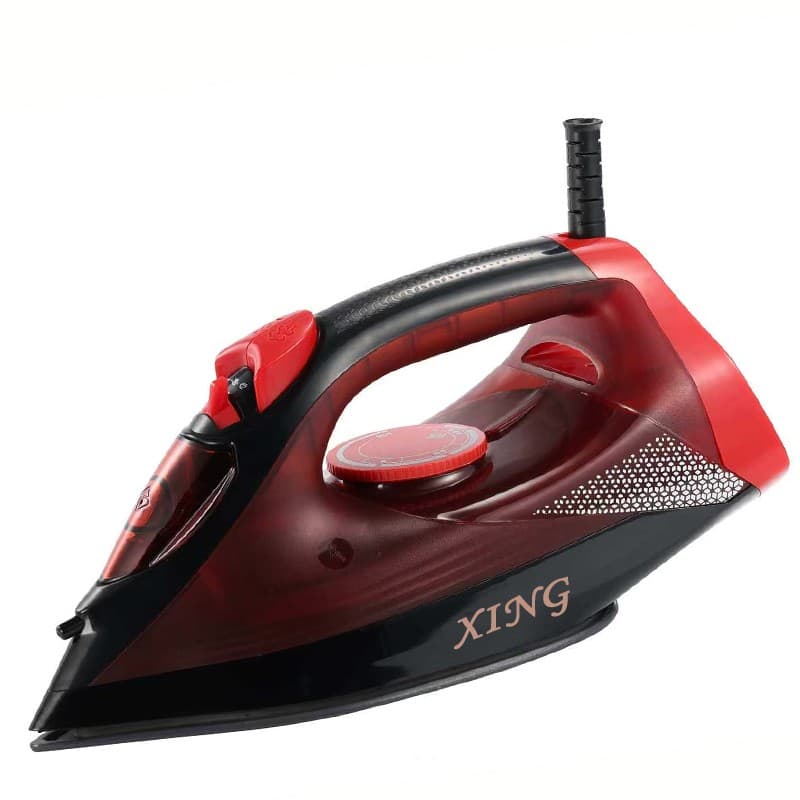
If your market has hard water, anti-calc is not a premium extra — it is the feature that keeps customers happy. Here is why it matters and how to position it.
What Scale Does to a Steam Iron
In hard-water areas, minerals in tap water build up inside the boiler and steam vents as scale. Over time, scale blocks steam channels, reduces output, and eventually damages the heating element — a top cause of steam iron complaints and returns.
Anti-calc systems slow this buildup; self-clean functions flush it out. Together they extend usable life and keep steam output consistent.
Why It Matters for Wholesalers
Scale-related complaints are common in hard-water markets — and they come back to the buyer, not the factory. Stocking models with effective anti-calc and self-clean systems reduces after-sales friction.
It is also a legitimate price differentiator: in hard-water regions, buyers actively look for these features.
Positioning in Your Product Line
Entry models can omit anti-calc to hit price points; mid and professional tiers should include it — especially if your market has hard water. List the feature explicitly: 'anti-calc system' and 'self-clean function' convert better than generic claims.
Confirm the exact system on the spec sheet when ordering — implementations vary between models.
Compare Anti-Calc Features Per Model
Each XINGYUE steam iron page lists its anti-calc and self-clean specification — compare before you build your line.