Starting a private label appliance brand is one of the most profitable moves in e-commerce and retail — margins are higher than reselling, and the brand is yours to build. But it requires careful planning: niche selection, the right OEM partner, realistic budgeting and disciplined quality control. This guide covers the six stages we walk through with every private label partner.
1. Define Your Private Label Appliance Niche
The private label market rewards focus. Instead of launching a generic appliance brand, define a niche where you can win: travel-focused garment care, premium home ironing, or boutique garment steamers. Your niche determines which products you start with and how you position them against established brands.
For most entrants, garment care appliances are an ideal starting point — compact, high-turnover and less dominated than large white goods. A clear niche also gives your supplier a precise brief for customization.
2. Choose the Right OEM/ODM Partner
Your manufacturer becomes your product development department. Look for a partner with: proven platforms you can customize (not just blank-slate promises), in-house engineering, strict quality control and honest lead times. Ask for factory credentials, existing OEM case studies and sample capability before committing.
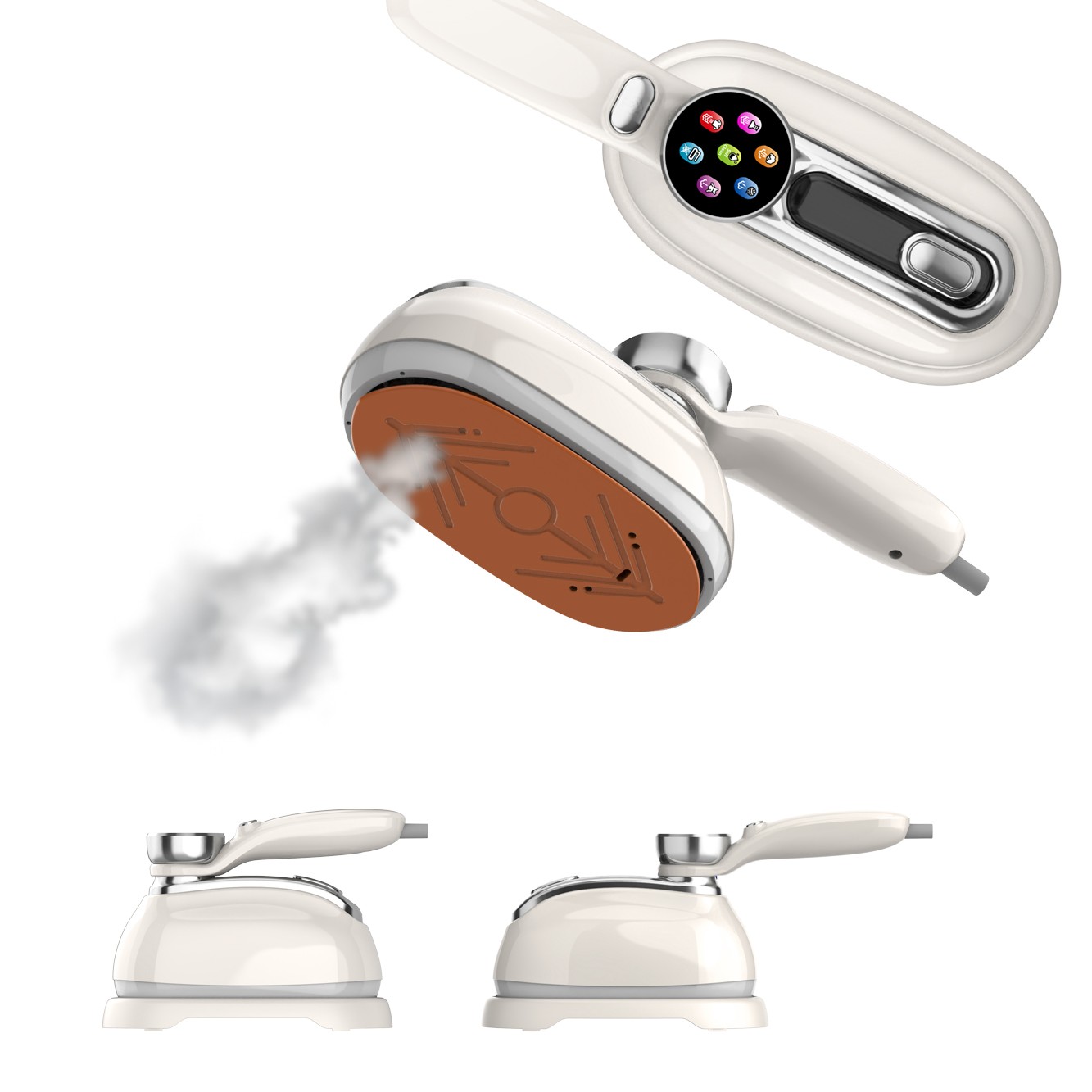
At XINGYUE, brands start from proven platforms like the ST-718 travel iron or 9002 vacuum steamer, customizing logo, color, packaging and even specifications. This cuts development time from 12+ months to as little as 3-4 months.
3. Plan Your Customization Scope
Define what your brand needs before sampling: logo placement (embossed, printed or sticker), brand colors, packaging design, plug type for target markets, user manual language and any specification adjustments (soleplate material, power configuration, tank size).
Each customization element has cost and lead-time implications. Prioritize the visible brand touchpoints — logo and packaging — for the first order, then expand color and specification options in later batches as sales data guides you.
4. Budget Realistically: MOQ, Samples & Certification
Private label projects have three cost layers: product cost (unit price × MOQ), development cost (samples, artwork, tooling if new molds are needed) and compliance cost (certifications for your target markets). Budget for all three — first-time brands often underestimate certification timelines.
Confirm your MOQ early. Standard OEM MOQs start around 500-1,000 units per model; mixed-model orders can lower the entry threshold. Ask your supplier to break down all costs so there are no surprises after the first order.
5. Protect Your Brand and Quality
For private label, quality consistency IS the brand. Establish pre-shipment inspection terms, keep approved samples as the reference standard, and agree on defect tolerance in the contract. A dedicated supplier maintains your specifications across batches.
Also consider trademark protection in your target markets — register your brand name before it gains traction. Your supplier can advise on product compliance, but trademark registration is your responsibility as the brand owner.
6. Launch, Learn and Scale
Start with a focused first order that tests demand — one or two models in your primary market. Gather sales and return data, then scale: expand models, add colors, improve packaging, and negotiate better pricing with your supplier as volume grows.
This incremental approach supports scalable volume production: test a focused line, learn from the market, then expand models, colors and packaging with a manufacturing partner that supports the next stage.
Start Your Private Label Project
Get OEM consultation, platform options and cost breakdowns within 24 hours.
Start Your Project