
"How many watts?" is the first spec buyers ask about a garment steamer. Here is what wattage actually means — and how to choose the right tier for your market.
Wattage Is the Engine Size
A garment steamer's wattage determines two things buyers feel: how fast it heats up and how strong the steam is. Higher wattage delivers both — but it also draws more power, so the right choice depends on the market's voltage and the user's needs.
For 220–240V markets, 1800W is the professional sweet spot for handheld steamers. Compact travel models sit lower, around 1000W, to keep weight and footprint down.
The Power Tiers at a Glance
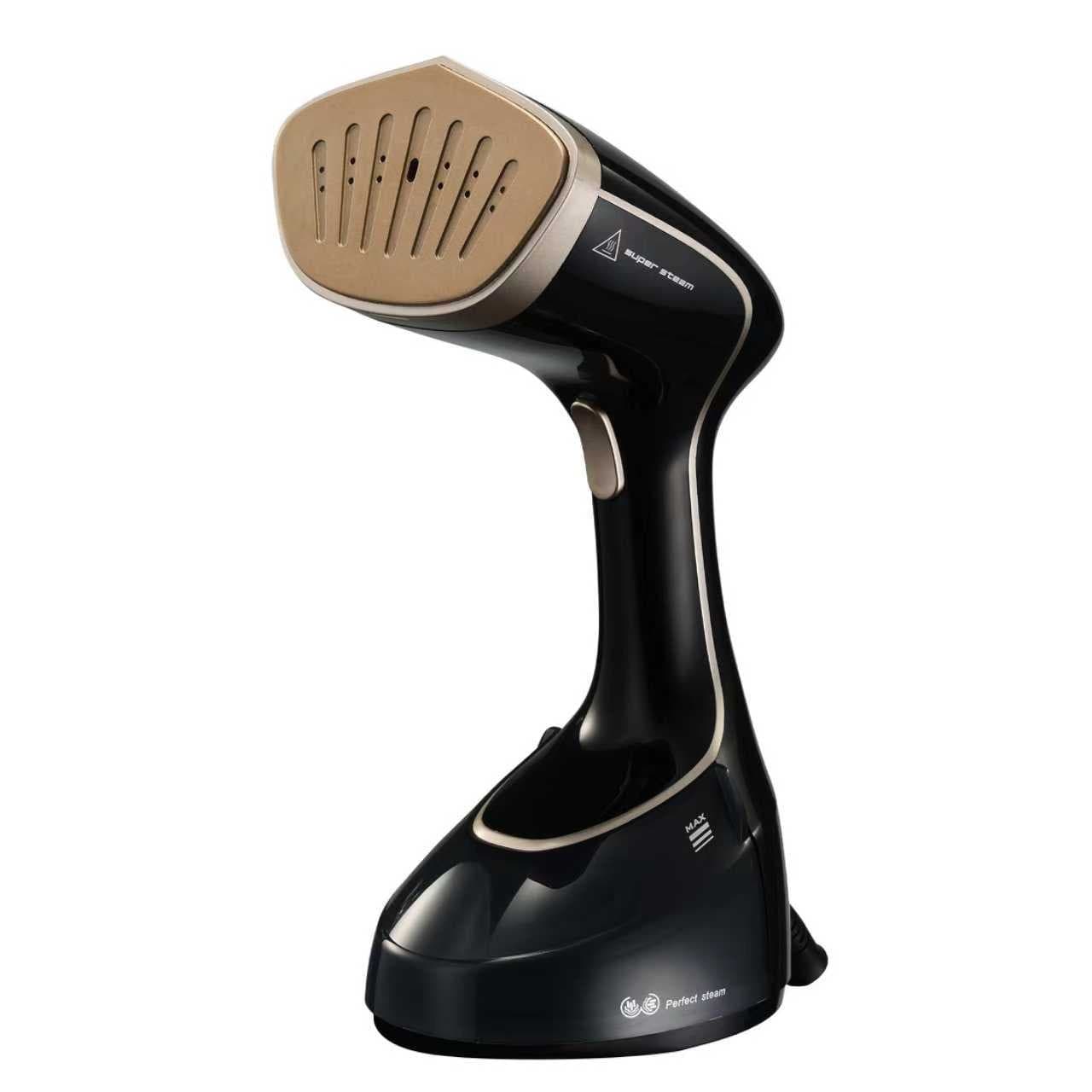
1000W: compact travel irons and mini steamers — lightweight, carry-on friendly, slower heat-up. 1800W: handheld garment steamers like the 6617 with ceramic steam panels — the standard for home and hospitality. 2800W+: full-size steam irons like the ST-S1001 — fast, powerful and built for frequent use.
Each tier serves a different buyer, which is why wholesale lines typically span all three.
Match Wattage to Your Market
Voltage and wattage are linked: a 1000W model is a standard 110–120V configuration, while 1800W+ models assume 220–240V supply. When building SKUs per market, confirm the wattage matches the grid — it is part of the specification, not an optional extra.
Our team configures wattage and plugs per destination region on every order.
What Buyers Should Compare Beyond Watts
Wattage is one number. Steam output, heat-up time, tank capacity and soleplate/panel material matter as much to the user experience. Compare the full spec sheet — not just the headline wattage — when evaluating quotes.
Build a Full Power-Tier Range
From 1000W travel steamers to 2800W professional irons — one factory covers every tier.