OEM / ODM Process Guide
Garment Steamer OEM Process: From Product Selection to Mass Production
A practical step-by-step guide to garment steamer OEM: requirements, model selection, customization, samples, compliance, production, quality control, packaging and shipment.
A reliable OEM garment steamer project moves through clear decisions: define the market, select a model, confirm specifications, approve the sample, confirm compliance, then release production with the same reference. This checklist keeps purchasing, engineering, quality and packaging teams aligned.
OEM Project Checklist
| Project item | Confirm before production |
|---|---|
| Target market | Destination, sales channel, use case and applicable market requirements. |
| Product model | Selected platform and the exact product page/specification reference. |
| Voltage | Rated voltage and frequency for the destination market. |
| Plug | Plug type, cable and labeling for the selected configuration. |
| Logo | Placement, artwork, method and approval owner. |
| Color | Product color, finish and approved reference. |
| Packaging | Retail box, manuals, labels, carton marks and internal protection. |
| Estimated quantity | Target quantity and the applicable MOQ discussion. |
| Compliance requirements | Applicable CE, RoHS, CB, ETL or FCC scope and documents. |
| Sample requirements | Exact sample configuration, tests, changes and approval record. |
| Target delivery schedule | Required launch/replenishment window to be checked against production planning. |
1. Requirement discussion
Begin with the target market, sales channel, product position, expected use, voltage and plug, packaging level, branding requirements and compliance questions. A clear brief helps the supplier distinguish an existing-model OEM program from a more involved ODM or product-development discussion.
XINGYUE works with brands, importers, retailers, hospitality buyers and D2C teams across garment-care categories. Confirm the project scope before selecting a model.
2. Product and model selection
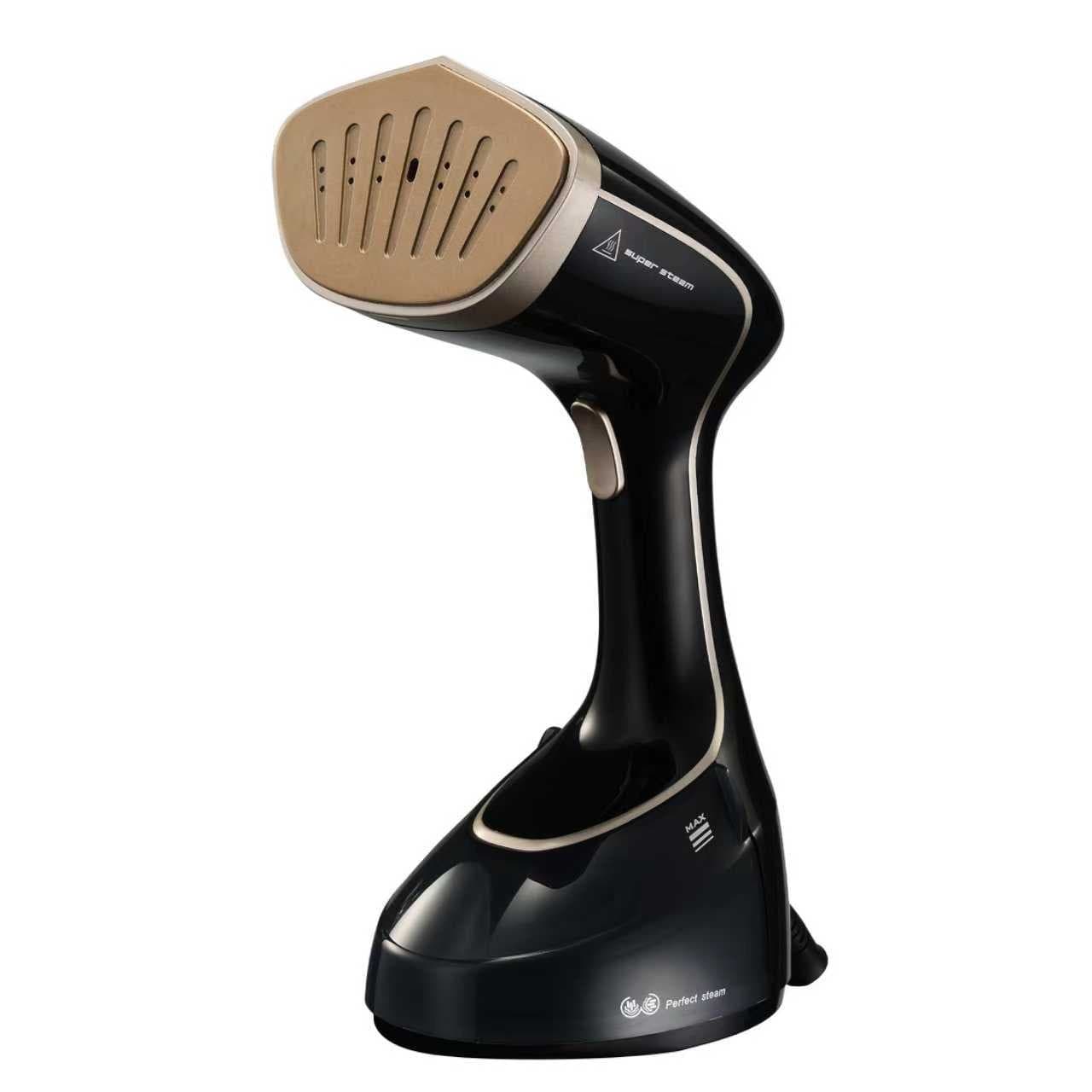
Start with documented products before asking for changes. For garment steamers, compare power, water tank, panel material, steam modes, controls, safety functions, size and intended use. The current range includes ST-815, 6617, 900A and 6618; each model has its own product information for comparison.
3. Specification confirmation
Once a model is shortlisted, confirm the specification line by line: voltage, plug, materials, functions, dimensions, accessories, labeling and packaging. Do not use a general range description as the production specification.
4. Logo, color and packaging requirements
Discuss logo position and method, product color, surface finish, retail box, carton markings, manual language, labels and inserts. XINGYUE supports OEM/ODM customization including logo, color, packaging and model-specific configurations, subject to final project requirements and sample confirmation.
5. Sample preparation
Request the exact model and market configuration you intend to buy. Confirm what the sample will include: product, branding, color, packaging, plug, manuals and relevant documents. Do not assume a generic sample represents every possible configuration.
6. Sample evaluation and approval
Test the functions that matter to your buyers: heat, steam, water handling, controls, safety behavior and ease of use. Review branding, color and packaging together, record all changes and approve one clear reference before production.
7. Compliance confirmation
Identify which CE, RoHS, CB, ETL and FCC applicability is relevant to the selected model, electrical configuration and destination. Request applicable documents and confirm that product, plug, labeling and packaging match the reviewed scope.
8. Order confirmation
Finalize model, configuration, quantity, packaging, documentation, inspection arrangement, shipment terms and production planning. XINGYUE's typical MOQ is 500–1,000 pcs; standard production lead time is 30–45 days after sample approval, subject to the agreed project details.
9. Mass production
Release production only after the model, specification, sample, compliance scope and commercial terms are agreed. Use the approved sample and written specification as the production reference.
10. Quality control
Ask how incoming components, assembly, electrical functions, cosmetic quality, water handling, controls and final quantities are checked. Confirm how nonconformities are recorded and communicated during production.
11. Packaging
Review inner protection, retail boxes, carton marks, manuals and labeling before shipment. Packaging is part of the OEM product and should be checked against the approved artwork and shipping requirements.
12. Shipment and export support
Before shipment, confirm cartons, documents, destination details and final inspection records. XINGYUE supports export programs across more than 100 markets; destination-specific requirements should be confirmed for each project.
OEM Project Checklist
- Target market
- Product model
- Voltage
- Plug
- Logo
- Color
- Packaging
- Estimated quantity
- Compliance requirements
- Sample requirements
- Target delivery schedule
Continue your sourcing research
Discuss Your OEM Project
Send your product category, target market, model interests and customization requirements to start a structured OEM conversation.