
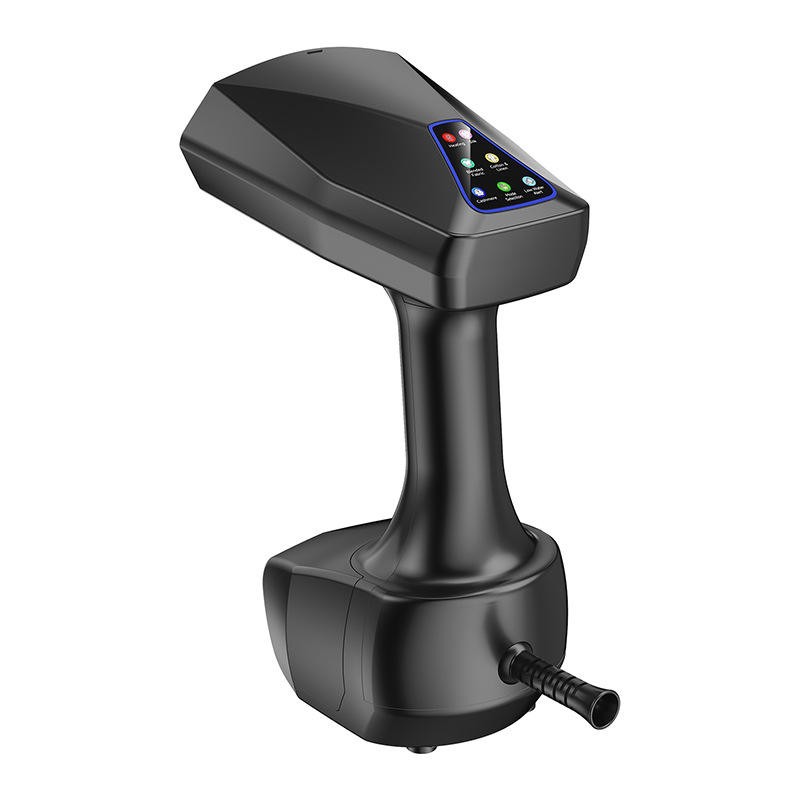
Garment steamers have become one of the fastest-growing segments in home appliances, and for good reason — they are faster, gentler and more convenient than traditional ironing. But sourcing the right steamer for your market requires reading the specifications carefully. This guide covers the six factors we review with every importer, based on 16 years of manufacturing handheld and vacuum garment steamers.
1. Steam Iron vs. Garment Steamer: Know the Difference
Before sourcing, understand what your customers actually need. A traditional steam iron presses fabric flat on an ironing board — ideal for crisp shirts and heavy cotton. A garment steamer, by contrast, relaxes wrinkles with a flow of hot steam, working vertically on hanging garments without an ironing board.
Garment steamers are increasingly popular with modern consumers because they are gentler on delicate fabrics, faster for touch-ups, and easier to use. In retail, steamer sales have grown steadily as busy professionals and small boutiques look for convenient garment care. If your market skews toward apartment dwellers, travelers or clothing retailers, a steamer line is a strong addition.
2. Power: The Real-World Performance Number
Power output (watts) determines how quickly the steamer heats water and how consistently it produces steam. Handheld steamers typically range from 1000W to 1800W. Higher wattage means faster heat-up — a 1600-1800W unit can be ready in 20-30 seconds, which matters greatly in professional use.
Our ST-815 handheld steamer delivers 1600W with first steam in just 20 seconds, while the 6617 model offers 1800W with three adjustable steam levels. For markets with 110V grids, remember to order the 120V configuration — never assume universal voltage.
3. Water Tank: Capacity vs. Portability
Tank size directly affects how long a steamer runs before needing a refill. A 150-260ml tank suits casual home use and light commercial duty, while 300ml+ tanks support continuous steaming for longer sessions or retail demo counters.
Detachable tanks are a growing preference — they are easier to fill, clean and store. Our 900A model uses a compact 200ml tank with 20±5g/min continuous steam, balancing portability with performance. If your buyer values extended runtime, look for models in the 260-400ml range.
4. Soleplate & Steam Panel Materials
The panel that contacts the fabric — often called the soleplate — comes in ceramic, stainless steel or non-stick finishes. Ceramic glides smoothly and resists scratches, stainless steel offers durability at a mid-range price, and non-stick is the budget-friendly choice.
Your market positioning should drive the specification: European buyers often associate ceramic with premium quality, while emerging markets frequently prioritize non-stick for value. Offer your supplier a clear preference at the quotation stage.
5. Steam Output: Reading g/min Correctly
Steam output, measured in grams per minute (g/min), is the number importers should compare — not just wattage. A handheld steamer delivering 20-30g/min handles typical wrinkles well. Higher continuous output means deeper steam penetration for thicker fabrics like coats and curtains.
Our 6617 model outputs 30+5g/min maximum across three steam adjustments, making it a strong performer for both home and light commercial use. Always request the g/min figure (not just power) when comparing supplier quotations.
6. The Rising Category: Vacuum Garment Steamers
The most exciting development in garment care is the vacuum steamer — a hybrid that combines steam with a vacuum suction function. The suction gently holds fabric taut against the panel while steaming, mimicking professional pressing-table results without an ironing board.
This category is ideal for boutique owners, apparel retailers and high-end consumers who want professional results. Our 9002 and 9005 models combine a 1500W steam system with a 400ml detachable tank and LED display, while the 9003 and 9004 offer 3-in-1 dry, steam and vacuum functionality with dual-level suction control.
If you are looking to differentiate your product range, the vacuum garment steamer is a category worth early entry — competition is still limited compared to traditional irons and steamers.
Explore Our Garment Steamer Range
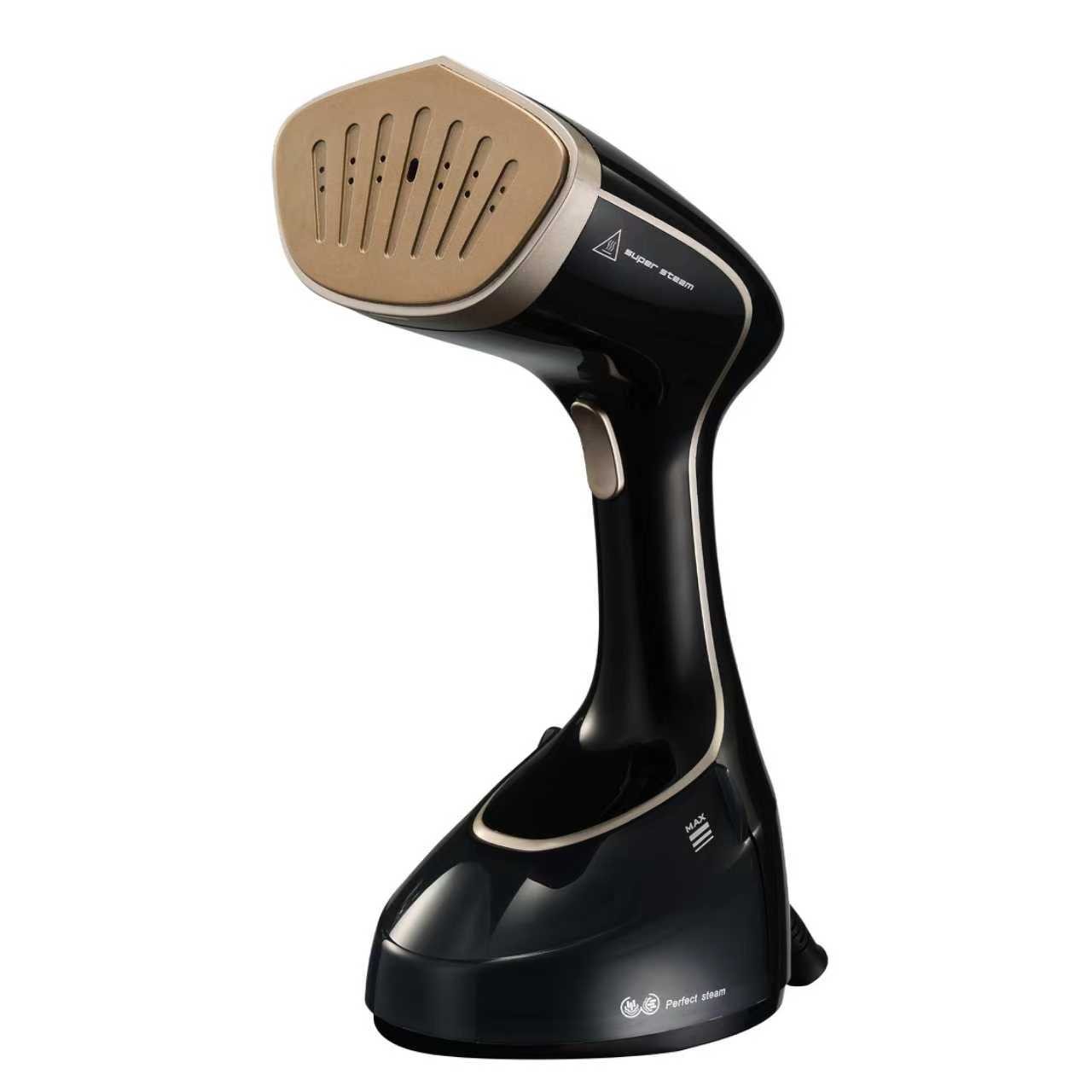
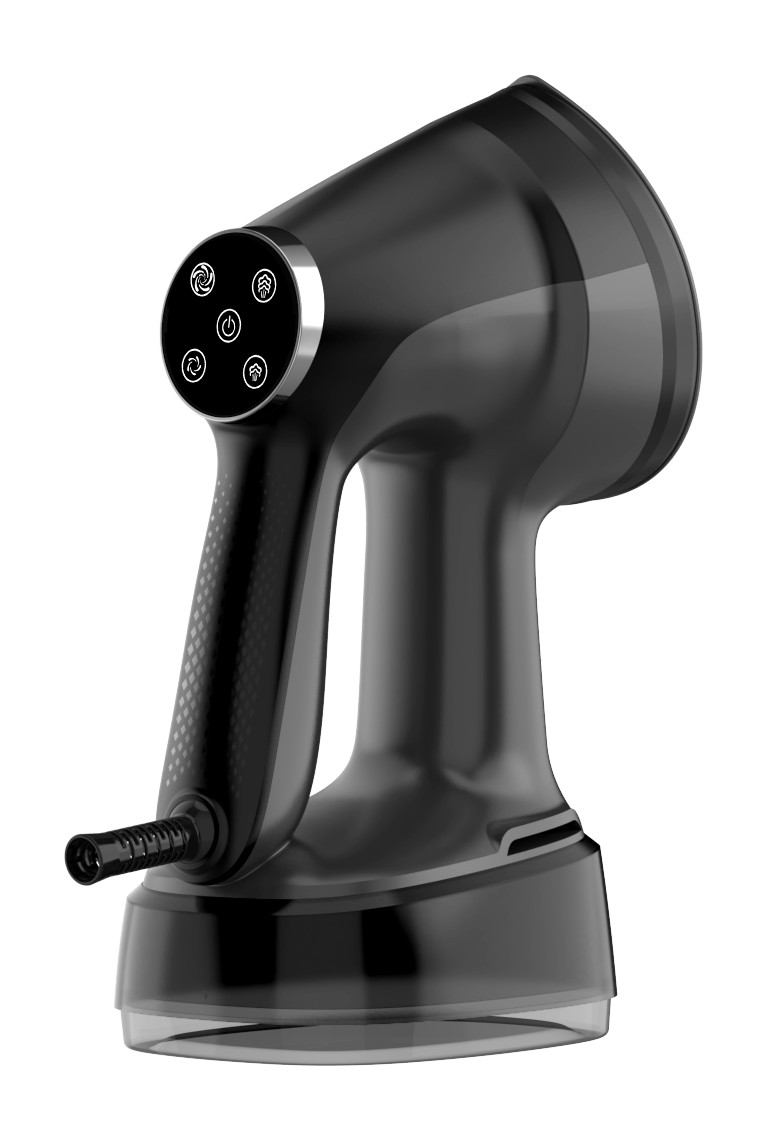
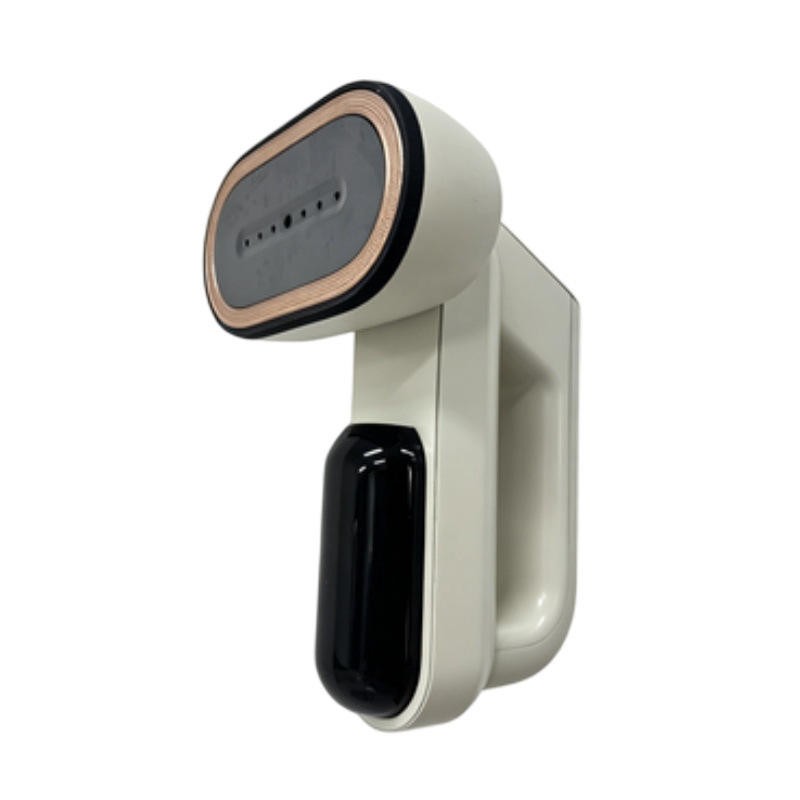
For a documented garment steamer range, compare the current models or review OEM / ODM options with XINGYUE.
Ready to Source Garment Steamers?
Get factory pricing, samples and OEM consultation within 24 hours.
Request a Quote